A thought for today
You do not have to solve your whole life today. Take one honest step and let someone walk beside you.
ICGH · Original recovery thoughtsYou do not have to solve your whole life today. Take one honest step and let someone walk beside you.
ICGH · Original recovery thoughtsRead today’s reflection on the AA website.
Read today ↗NARCOTICS ANONYMOUSA daily reading from NA World Services.
Read today ↗AL-ANON FAMILY GROUPSExplore the official sample and book information.
Explore reading ↗Connect with groups and explore Steps, Traditions, and meeting readings.
What are you grateful for today? Small things count. Start wherever you can; you do not have to fill every space.
Keep track of an appointment and add a reminder to your phone’s calendar. This does not book or confirm care with ICGH.
Choose a daily thought or a reminder to connect with your sponsor or recovery buddy. Appointment alerts still use your calendar.
Times use your device’s time zone. Notifications may be visible on your lock screen.
OneSignal receives a browser notification identifier, reminder choices, time zone, and technical connection information. We do not send your gratitude entries, appointment details, or support person’s name or number. No email or phone number is needed. Turning reminders off stops delivery but does not automatically delete the provider’s records.
Notifications are optional. Your calendar reminders remain available.
Add a daily calendar reminder to open the thought of the day. The reminder links to the app; the changing thought appears when you open it.
After downloading, open the calendar file and add the event to Apple Calendar or another compatible calendar. If your phone does not open calendar files, use Open Google Calendar, or import the file on a computer.
Save the event and check its notification setting in your calendar. For Google Calendar, select your reminder there before saving. Allow calendar notifications on your phone.
Adding an event shares its details with your chosen calendar provider. Calendar alerts may appear on your lock screen. The app does not send push notifications or verify that an alert was delivered.
Changing or removing an appointment here does not update your calendar. Make changes there too. Add each reminder only once to avoid duplicates.
Choose a sponsor or recovery buddy you can commit to contacting each day. Agree together on a good time and way to connect.
I commit to talking with this person every day about my recovery journey, by phone or text.
These buttons open your phone or messaging app. Nothing is sent automatically.
A plain-language review for recovery from alcohol, drugs, or other addictions. These are original summaries, not official fellowship wording. Explore them with a sponsor or trusted recovery support.
Recognize that addiction has become beyond your control and that life has become unmanageable.
Reflect: Where do I need help today?
Become open to a power greater than yourself that can help restore clarity and balance.
Reflect: What helps me believe change is possible?
Decide to turn your will and your life over to the care of a higher power as you understand it.
Reflect: What can I stop trying to control?
Take a searching, honest look at your actions, fears, resentments, strengths, and patterns.
Reflect: What pattern am I ready to look at honestly?
Acknowledge the truth of your inventory to yourself, your higher power, and another trusted person.
Reflect: Who can help me speak honestly without hiding?
Become willing to let go of character patterns that cause harm or keep you stuck.
Reflect: What am I willing to change?
Humbly ask your higher power for help with those shortcomings, and practice a different response.
Reflect: Where can I ask for help instead of acting alone?
Identify people you have harmed and become willing to make amends.
Reflect: What responsibility is mine to accept?
Make direct amends where possible, except when doing so would harm that person or someone else. Work with a sponsor to consider safety and timing.
Reflect: What would a thoughtful, responsible repair require?
Continue reviewing your actions and promptly acknowledge mistakes.
Reflect: What went well today, and what needs repair?
Use prayer and meditation to deepen connection with your higher power, seeking guidance and the strength to act on it.
Reflect: How can I make room for quiet and guidance today?
Carry the message of recovery to others and practice these principles in every part of life.
Reflect: How can I offer support and live these principles today?
Short readings rooted in the Twelve Steps. Bring them to your sponsor, try an action today, and keep coming back.
Step One asks us to admit powerlessness over alcohol or addiction and the unmanageability of our lives. Start with what actually happened: the limits you set, the promises you made, and what followed. You do not have to make your story sound worse—or better—to deserve help.
Acceptance begins when we stop arguing with those facts. It opens the door to help from a Higher Power, a fellowship, and people who know the work of recovery. Discuss what you notice with a sponsor or trusted recovery person. You can begin before you have every answer.
Put it into practice: Write down one attempt to control your use and what happened. Talk it through with someone in recovery.
Reflect: Where am I still trying to manage this alone?
Project MATCH: Topic 2, Step 1—Acceptance.
A sponsor is someone who helps you work the Steps and shares how they practice recovery. Listen for honesty, consistency, willingness to serve, and a way of living you want to learn from. Popularity and having a story exactly like yours are not the same as being a good fit.
Stay after a meeting and ask, “Are you available to sponsor, or can you help me find someone who is?” A temporary sponsor can help you begin while you build relationships. Discuss availability and boundaries. A recovery buddy can offer daily connection, while sponsorship includes guidance through step work.
Put it into practice: Ask one person about sponsorship after your next meeting. Keep reaching out if the first person is unavailable.
Reflect: Whose recovery actions would I like to learn from?
Project MATCH: Topic 4, Getting Active.
The Twelve Steps invite us to become willing to believe in a Power greater than ourselves and to turn our will and lives over to the care of God as we understand Him. You can be honest about doubt and still explore this spiritual foundation. You do not need to borrow someone else’s beliefs.
Surrender can become a daily practice: ask for guidance, listen, and follow through on a recovery action. Talk with your sponsor about what you are willing to release and what responsibility is still yours. Prayer and meditation can make space for that conversation.
Put it into practice: Spend a quiet moment asking your Higher Power for guidance, then take one action you have been putting off.
Reflect: What would willingness look like in my actions today?
Project MATCH: Topic 3, Steps 2 and 3—Surrender.
Getting to a meeting is a beginning. Participation gives that meeting a place in your life. Introduce yourself, listen for something you can use, and speak honestly when you are ready. You can ask about a home group, sponsorship, literature, and ways to help.
Recovery connections grow through repeated contact. Arrive a little early or stay afterward. Exchange numbers with permission and make a call between meetings. If one meeting is not a fit, explore another. The next conversation may help you feel less alone.
Put it into practice: At your next meeting, introduce yourself to one person and ask how to stay connected.
Reflect: What is one way I can participate beyond sitting in the room?
Project MATCH: Topic 4, Getting Active.
HALT is an invitation to notice what is happening before reacting. Have you eaten? Are you carrying anger? Have you been isolating? Are you exhausted? Naming the need gives you something concrete to address.
Choose an action that matches the moment: eat a meal, take a pause before responding, call a recovery friend, or make room for rest. Bring recurring struggles to your sponsor or care team. HALT is a simple recovery check-in, not an explanation for every difficult feeling.
Put it into practice: Name the need that is strongest right now and take one practical step to meet it.
Reflect: What do I need, and who can I ask for support?
Project MATCH: Topic 8, HALT.
A searching and fearless moral inventory asks for honesty about resentments, fears, conduct, and the patterns we repeat. Work with your sponsor on a method you can follow. Begin with one situation and look at your response and responsibilities without turning the exercise into an attack on yourself.
Step Five brings that truth to God, ourselves, and another human being. Choose that person thoughtfully. Acknowledging your own conduct does not mean accepting responsibility for abuse or harm someone else inflicted on you. Keep private inventory work in a place you trust; public comments are not the place for it.
Put it into practice: Ask your sponsor how to begin an inventory, and set aside a manageable period to start.
Reflect: What pattern am I willing to look at without excuses or self-condemnation?
Project MATCH: Topic 9, Steps 4 and 5—Moral Inventories.
Recovery shows up in ordinary parenting moments: listening, arriving when you said you would, following through, and apologizing when you are wrong. You may want to repair everything quickly. Let your child experience consistency over time, at a pace that respects their feelings.
Choose a small promise you can keep today. Put the phone away during a conversation or protect a familiar bedtime routine. If you lose your temper, name your behavior and take responsibility. Bring your recovery worries to adult supports; your child should not have to manage your sobriety or reassure you.
Put it into practice: Choose one realistic promise to your child and follow through today.
Reflect: How can I show reliability without asking for immediate forgiveness?
Original ICGH application of recovery principles to family life; not a Project MATCH session.
Making amends asks us to face harm and consider what repair requires. An apology may be part of that work; changed behavior gives it substance. Prepare with your sponsor instead of rushing into contact to relieve your own discomfort.
Step Nine includes an essential limit: direct amends must not injure the person or others. Respect boundaries and any restrictions on contact. Some situations call for a different approach. The other person gets to decide whether to respond or forgive. Your part is to take responsibility and practice change.
Put it into practice: Discuss one possible amends with your sponsor before contacting the person.
Reflect: Would my proposed action serve repair, or mainly seek relief for me?
Original ICGH reflection on Steps Eight and Nine; beyond the manual’s primary emphasis on Steps One through Five.
Look at the routines around your use: who was there, where you went, and what happened beforehand. Identify one situation you can change. A new route, a different evening plan, or a clear boundary can make your recovery commitment more concrete.
Make room for connection as you change old routines. Put a meeting, a sponsor call, or time with supportive people where isolation used to be. If a setting is unavoidable, discuss it with your recovery supports and plan how to leave or ask for help.
Put it into practice: Replace one familiar high-risk routine with a specific recovery activity today.
Reflect: What can I change in my surroundings to support the choice I want to make?
Project MATCH: Topic 7, People, Places, and Things.
Take a quiet look at the day. Where were you honest? Where did fear, resentment, or self-centeredness guide your response? What needs an apology or a conversation? Notice the help you received and the actions you want to practice again tomorrow.
Keep recovery connected to life. Speak with your sponsor or recovery buddy, make time for prayer and meditation, and find an appropriate way to serve. Welcoming a newcomer, helping set up a meeting, or listening carefully can be a beginning. You can practice the principles without having a perfect day.
Put it into practice: Name one thing you are grateful for, one thing to put right, and one way to be useful tomorrow.
Reflect: How did I practice my recovery principles today?
Original ICGH reflection on Steps Ten through Twelve, informed by the manual’s emphasis on active participation and sober living.
These are original ICGH educational readings informed by Nowinski, Baker, and Carroll, Twelve-Step Facilitation Therapy Manual, Project MATCH, NIH Publication No. 94-3722 (1999 reprint). The manual addresses alcohol treatment and emphasizes Steps One through Five. Parenting, amends, and later-step readings are ICGH extensions, not Project MATCH sessions. These readings are not a substitute for individualized care and do not imply endorsement by AA, NA, or NIH.
AA Big Book and NA Basic Text. Full in-app recordings are awaiting permission.
Listen on the official AA website
Opens the publisher’s website in a new tab. Playback there uses the publisher’s controls.
Short videos for encouragement and overdose-prevention awareness. Watch right here in the app. An internet connection is required.
60 seconds • Finding support and a recovery path that works for you.
Narrator: Overcoming drug addiction was difficult. But I found the path to recovery that worked for me. Treatment helped me come to terms with the issues in my life that caused me to use drugs, and I found better ways to cope. Learning I had a substance use disorder made me realize I needed to make a change. The road to recovery is different for everyone. There were good days and bad days, but I found strength in seeking help. My friends and family made a huge difference in my recovery. I never gave up; I found my path and I kept walking it. Find that path that works for you. On-screen: You can do this. One in 14 Americans reports experiencing a substance use disorder. Narrator: Learn more at cdc.gov/stopoverdose.
15 seconds • A brief reminder that recovery can take different paths.
Animated graphic: Recovery is possible. On-screen: Recovery from addiction doesn't look the same for everyone. cdc.gov/stopoverdose.
15 seconds • Encouragement for your recovery journey.
Animated graphic: Recovery is possible. On-screen: You can do it people overcome addiction everyday. cdc.gov/stopoverdose.
60 seconds • Overdose-prevention awareness. Ask your care team or pharmacist about naloxone.
Narrator: Getting ready we all have our routines, finding an outfit, fixing the hair and all the other little touches. Gum check, keys check, phone check. But of all the things you remember to bring with you, Naloxone could be the most important. It could reverse an opioid overdose. You can get it without a prescription in most states and it's really easy to use. If you or someone you know is at risk for opioid overdose Naloxone could save their life. Keep it on you, and at home. For more information about Naloxone visit cdc.gov/stopoverdose. On-screen: For more information about Naloxone visit cdc.gov/stopoverdose.
Source: CDC. Available free from CDC. Use does not imply endorsement of ICGH by CDC, HHS, or the U.S. Government.
A place for recovery, mental health, and family support.
Links open the publisher or resource provider in a new tab. Recordings and readings remain on their original websites. YouTube search results are not reviewed or endorsed by ICGH.
Explore in-person and online recovery communities. Confirm meeting details with the organizer.
A place to talk about recovery, next steps, and getting connected in your community.
7 a.m.–10 p.m. Eastern time
1-855-687-7337
Outside these hours, leave a voicemail. If nobody answers during service hours, leave a message for the team. Voicemail is not an emergency service.
For immediate danger call 911. For crisis support, call or text 988 at any time.
Choose your peer’s Doxy.me waiting room for your video visit.
Opens Doxy.me in a new tab. Follow your peer’s instructions about when to join.
Bring one goal, one challenge, and one question. Your peer team can help you explore recovery connections and practical next steps for housing, work, and appointments.
Plan an appointment →This resource app does not submit attendance, report compliance, book appointments, or send messages to your peer team or supervising staff. Follow the reporting and contact instructions given to you by your program.
Confidential client area unavailableYou do not need to solve every problem at once. Choose one next step and talk it through with your peer team.
Keep your program contacts and required appointments accessible. Confirm where you need to be, when, and how you will get there. Ask your assigned staff about any instructions you do not understand.
Add a calendar reminder →Discuss housing needs with your peer team and assigned program staff. Ask about eligibility, costs, house expectations, transportation, and any approval needed before changing your address.
Talk with the peer team →Make a short list: identification, transportation, a working phone, food, and employment steps. Pick the most urgent item. Ask your peer team for help finding local resources and preparing questions.
Choose a meeting, a daily connection, and a small commitment you can keep. Plan for evenings and weekends as well as busy days.
Find a recovery meeting →Reliability grows through repeated actions. Keep realistic promises, listen, and respect boundaries and any restrictions on contact. Talk with your sponsor before making amends.
Read about parenting and amends →Decide who you will call and where you can go for support. Keep your sponsor or recovery buddy’s number close. Use crisis services if you need immediate help.
Set your daily connection →Get to know the people supporting your recovery journey.
Peer Support Specialist
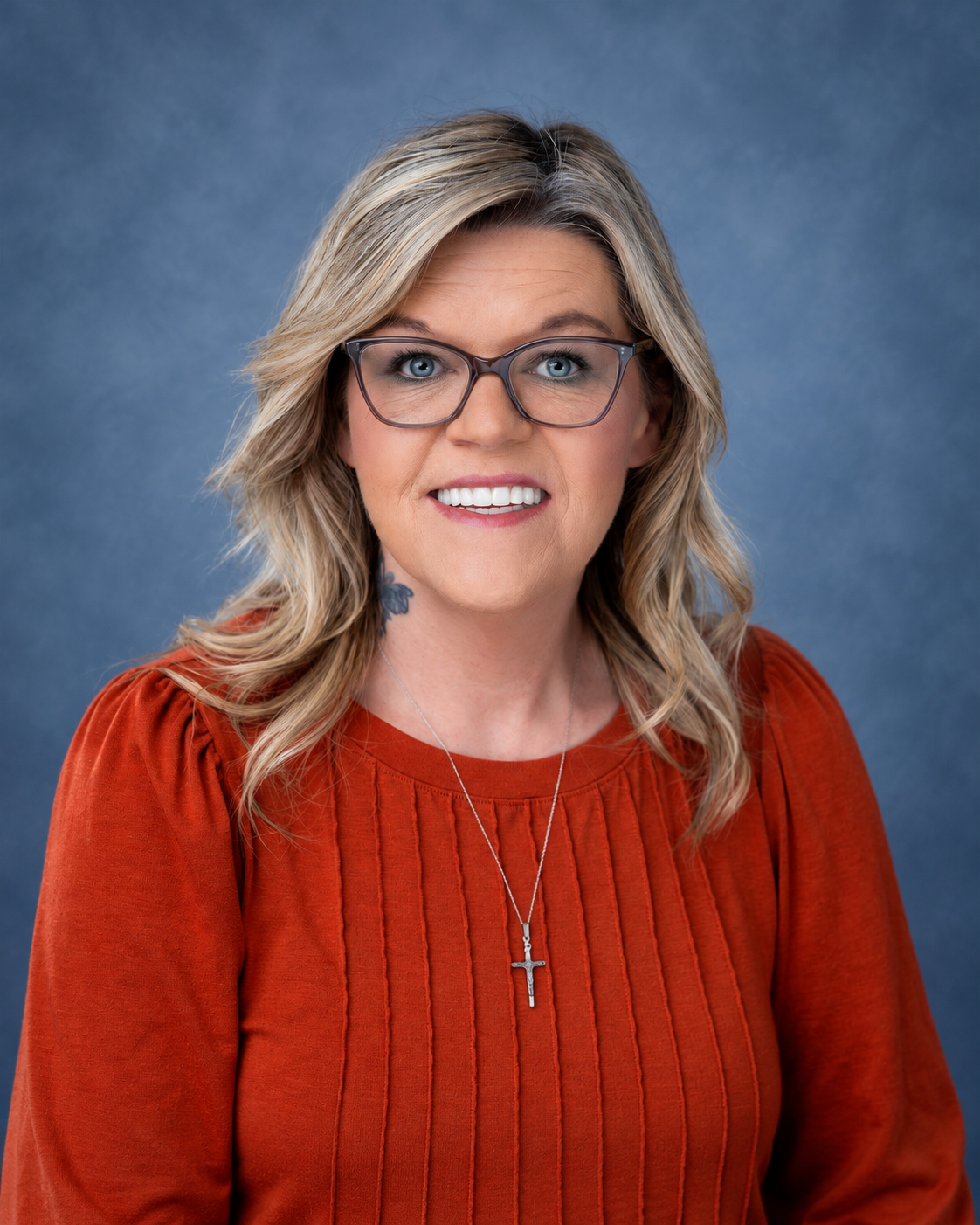
NCCPSS, CADC-R, WRAP Facilitator
VP of Programs & Services | Corporate Office
Video call with BeccaBecca Collins serves as VP of Programs & Services at ICGH’s Corporate Office. Drawing on lived experience in recovery and professional expertise, she works alongside staff, community partners, and local leaders across ICGH’s service areas to improve access to treatment and recovery support. A Certified Peer Support Specialist and WRAP Facilitator, Becca strengthens programs and partnerships while sharing hope that lasting recovery is possible.
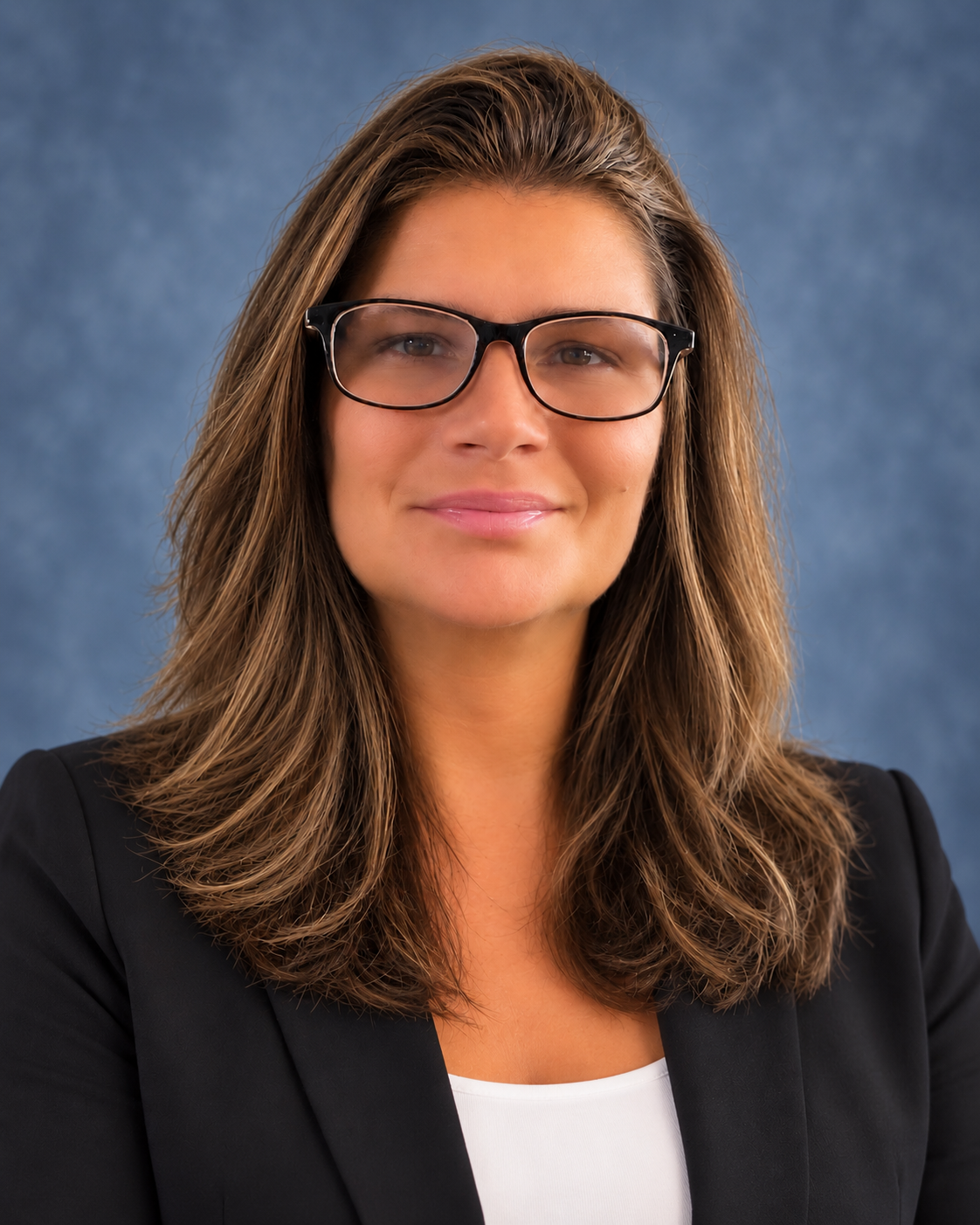
NCCPSS, CADC-I
Director of Peer Support Services
Video call with BrynnBrynn Harris leads ICGH’s Peer Support Services, supporting and guiding the peer support team across North Carolina. Based in Hickory, Brynn brings lived experience in long-term recovery from substance use and mental health challenges to this work. As a Certified Peer Support Specialist and CADC-I, Brynn is dedicated to sharing hope, building connection, and supporting individuals throughout their recovery journeys.
You do not have to wait until things feel worse to reach out.
Call 911 for emergency assistance, including a suspected overdose.
Call 911Support for suicidal thoughts, emotional distress, or a mental health or substance use crisis.
Available 24/7 in the United States. Outside the U.S., contact your local emergency or crisis service.
For care access and recovery support. For immediate danger, use 911.
Call 828-322-5915